
Athletic performance depends on more than strength and endurance. The way your body moves and responds to physical stress also plays a role. Even small movement restrictions can affect your comfort and ability to perform at your best.
For athletes, staying active means asking a lot from the body. Repetitive training and intense workouts can contribute to tension and reduced mobility. Understanding how your body moves can help you address these challenges and build a more sustainable approach to training. Rolfing Structural Integration is one method that focuses on how the body’s connective tissues and movement patterns work together.
This article will share how it may complement an athlete’s broader performance and recovery routine.
How Better Body Alignment Supports Athletic Performance
Efficient movement starts with how the body distributes force. During running, jumping, swimming, or lifting, different muscle groups and joints work together to create controlled motion. When movement patterns become restricted, other areas may compensate, potentially increasing physical strain. Rolfing focuses on the body’s fascia, the connective tissue that surrounds and supports muscles and other structures. Practitioners use hands-on techniques and movement guidance to address areas of tension and encourage more coordinated movement.
Improved body awareness may also help athletes recognize habits that affect their technique. For example, a runner might notice uneven weight distribution, while a weightlifter may become more aware of how they position their torso during a lift.
These observations can support more deliberate training when combined with appropriate coaching. However, better alignment does not automatically translate into faster times or greater strength. Athletic performance depends on many factors, including conditioning, skill, sleep, nutrition, and training consistency. Structural Integration may support movement quality, but its direct effects on competitive performance remain insufficiently established.
How Greater Mobility Can Improve Movement Quality
Athletes need enough mobility to perform their sport’s movements comfortably and efficiently. Tightness around the hips, shoulders, ankles, or back may make certain positions feel difficult. These limitations can influence technique, especially during repeated or high-intensity movements.
Rolfing sessions often address areas where tension or restricted movement appears to affect overall coordination. A practitioner may work with the surrounding connective tissues and observe how the athlete stands, walks, bends, or reaches. The approach considers how different body regions interact instead of treating every area as an isolated problem. For example, a tennis player may need comfortable shoulder movement and trunk rotation to serve effectively. A cyclist may benefit from being able to maintain a riding position without excessive discomfort.
In either case, hands-on bodywork may help some athletes feel less restricted, although results vary from person to person. Mobility gains are most useful when they translate into sport-specific movement. Athletes can work with qualified coaches or physical therapists to incorporate appropriate mobility exercises and technique adjustments.
How Reduced Muscle Tension Can Support Recovery
Training places stress on muscles, tendons, joints, and other tissues. This stress is part of the process that helps the body adapt, but insufficient recovery can leave athletes feeling fatigued or uncomfortable. Managing that balance is essential for consistent performance.
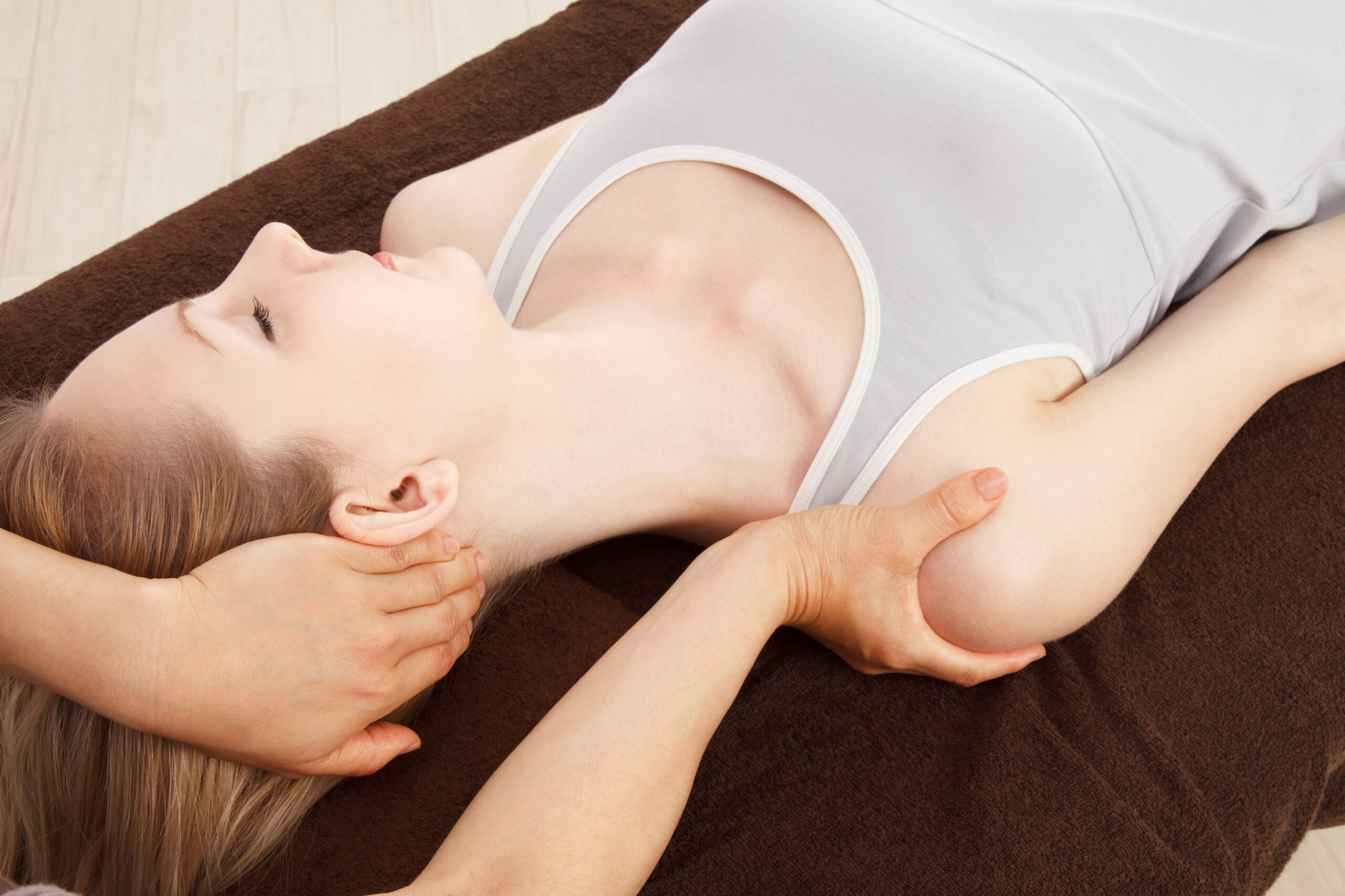
Hands-on bodywork may help some people experience temporary relief from muscle tension and discomfort. Rolfing uses sustained manual pressure and movement-based techniques that may influence how a person perceives tension and moves after a session. The experience can also encourage athletes to pay closer attention to areas that feel overworked. It is important to distinguish relaxation from actual tissue recovery. Feeling looser after a session does not necessarily mean that muscle damage has healed faster or that the body is ready for another demanding workout.
A complete recovery routine should still include adequate sleep, balanced nutrition, hydration, rest days, and sensible training loads. Persistent pain, swelling, weakness, or a sudden decline in performance should be evaluated by an appropriate healthcare professional.
How Improved Body Awareness Can Refine Athletic Technique
Athletes often repeat the same movements thousands of times. Over time, these patterns can become automatic. While repetition helps develop skill, it can also make it harder to notice unnecessary tension or inefficient movement habits.
Rolfing™️ may help athletes become more aware of how they stand, breathe, shift their weight, and coordinate different parts of the body. A practitioner may guide a person through simple movements while drawing attention to areas that feel restricted or work harder than necessary. Consider a golfer who feels excessive tension during a swing or a runner who struggles to maintain relaxed movement late in a workout. Noticing these patterns may help the athlete discuss technique adjustments with a coach. The bodywork itself does not replace technical instruction, but it may offer another way to understand movement habits.
How to Integrate Rolfing Into a Training Routine
Adding a new recovery practice works best when it supports an athlete’s existing goals. Before beginning Rolfing, consider the demands of your sport and your current training schedule, and note any mobility concerns or discomfort you experience.
A qualified practitioner should discuss your goals and relevant health history before treatment. It may be helpful to schedule an initial session during a lighter training period. This gives you time to notice how your body responds without adding uncertainty before an important competition.
Communication is essential throughout the process. Tell the practitioner about your sport, training demands, previous injuries, and any areas that feel uncomfortable. Pressure should remain tolerable, and you should be able to ask for adjustments at any time. More intense pressure is not automatically more effective. Track your response over several weeks if you decide to continue. Also pay attention to movement comfort, mobility, perceived tension, and how well you tolerate training.
Final Thoughts
Your athletic potential depends on how well you train and move over time. Exploring complementary approaches such as Rolfing may help you better understand your body’s movement patterns and identify ways to support training comfort.
Reach out to us to start building a plan that works alongside your established training and recovery routine.
Frequently Asked Questions
What is Rolfing Structural Integration?
Rolfing is a form of hands-on bodywork that focuses on fascia, posture, and movement patterns. Sessions may combine manual techniques with guided movement to help a person explore how their body moves. It is a complementary approach rather than a replacement for medical treatment or sport-specific training.
Can Rolfing make you faster or stronger?
There is not enough strong scientific evidence to conclude that Rolfing directly increases speed or strength. Some athletes may experience changes in movement comfort or body awareness that support their training.
How often should athletes receive Rolfing?
There is no single schedule that suits every athlete. Frequency depends on individual goals, training demands, response to treatment, and practitioner recommendations. Discuss a reasonable plan with a qualified practitioner and adjust it according to your experience and overall recovery needs.