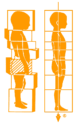

Most people come to Rolfing because something hurts or just isn’t working the way it used to. Maybe it’s a tight lower back that won’t loosen no matter how much you stretch, or shoulders that seem to creep up toward your ears every time you sit at a desk. Rolfing, more formally known as structural integration, approaches these problems differently than a lot of other bodywork. Instead of treating a sore spot as an isolated issue, it looks at how your whole body is organized and how that organization might be creating the pain in the first place.
The Body as a Whole System
One of the core ideas behind Rolfing is that your body isn’t a collection of separate parts that happen to be attached to each other. It’s an interconnected system, and when one area is out of balance, it tends to pull other areas out of balance too. A hip that sits slightly rotated can change how your knee tracks, which can change how your foot strikes the ground, which can eventually show up as tension in your neck. Chasing symptoms one at a time often means you’re treating the downstream effect instead of the upstream cause.
Rolfing practitioners are trained to look at this bigger picture. Instead of asking “where does it hurt,” they ask “why is the body organized this way, and what is it compensating for?” That shift in perspective is part of what makes the work feel different from a typical massage or a quick fix at a clinic.
Why Fascia Matters So Much
The tissue that Rolfing pays the most attention to is fascia, the connective webbing that wraps around your muscles, bones, and organs. For a long time, fascia was treated as little more than packaging material in the body, something that just held everything in place. That view has shifted quite a bit. Fascia is now understood to play an active role in how we move and how we sense our own body in space.
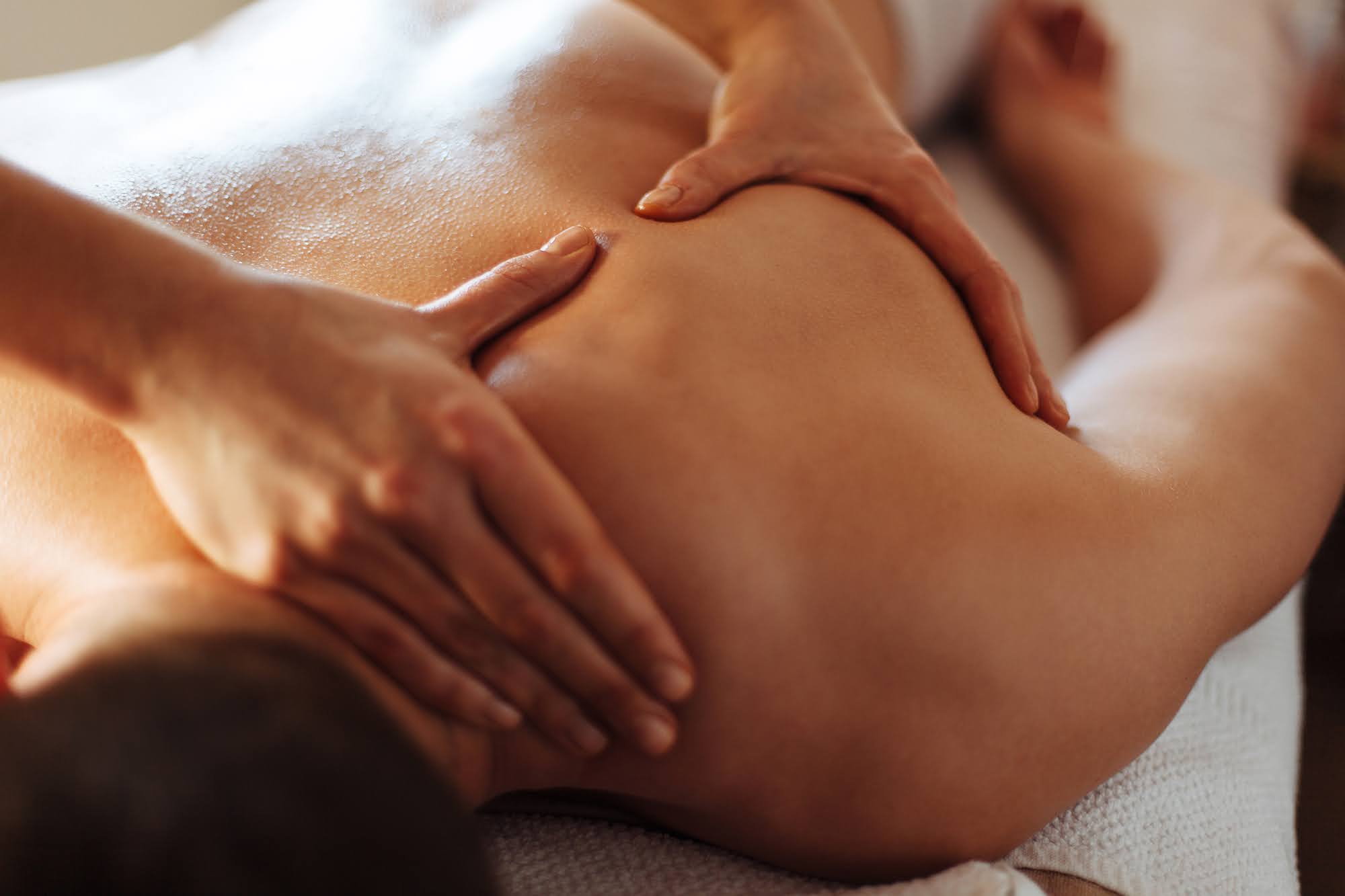
When fascia becomes restricted, whether from injury, repetitive movement patterns, or just years of holding stress in certain areas, it can lose some of its natural give. That restriction doesn’t always stay local. Because fascia forms a continuous network throughout the body, tightness in one region can create a kind of ripple effect elsewhere. Rolfing works with this tissue directly, applying slow, sustained pressure to help restore mobility and encourage the fascia to reorganize around a more balanced structure.
More Than a Physical Shift
People are often surprised by how much changes outside of the purely physical realm during a Rolfing series. It’s common to hear clients describe feeling calmer and more grounded, or simply more at home in their own body, after a session. Part of this comes down to the nervous system. Chronic tension patterns are frequently tied to old stress or old injuries that the body never fully released. As the tissue softens and the structure shifts, that stored tension can start to unwind as well.
This doesn’t mean Rolfing is a substitute for therapy or emotional work, but the connection between body and mind is real, and a lot of people notice it during their sessions. A tight jaw might loosen alongside an old habit of clenching through stressful moments. A collapsed chest might open up along with a subtle shift in how someone breathes and carries themselves through the day.
What the Process Actually Looks Like
Rolfing is typically done as a series rather than a single session, with each appointment building on the last. Early sessions tend to focus on more superficial layers of tissue and general patterns of tension, while later sessions go deeper and work toward integrating the changes into how the whole body moves together. The idea isn’t just to loosen things up temporarily, but to help the body find a new, more sustainable baseline.
Before that process begins, most practitioners start with a structural integration intake, where they take a look at how you move and carry your weight and talk with you about your goals and any areas of concern. This isn’t just paperwork. It’s a chance for the practitioner to understand your specific pattern of tension so the sessions that follow can be tailored to you rather than following a generic template.
Sessions themselves involve direct, hands-on work with the fascia and often some movement education as well, since lasting change usually requires more than passive treatment. You may be asked to breathe in a certain way, shift your weight, or move through a range of motion while the practitioner works, which helps the nervous system learn the new pattern rather than just the tissue.
Who Tends to Notice the Biggest Difference
Athletes often turn to Rolfing to address imbalances that affect performance or that keep leading to the same nagging injuries. People who spend long hours at a desk often find it helps with the forward-leaning, rounded posture that desk work tends to create. Others come in simply because they’ve tried other approaches for chronic discomfort and haven’t found lasting relief. Because the work addresses structure rather than just symptoms, it tends to appeal to people who want a longer-term change rather than a temporary fix.
Curious Whether It’s Right for You
If any of this sounds like what your body has been asking for, the best next step is usually just a conversation. Our Rolfing therapy center can walk you through what a structural integration intake involves and help you figure out whether a full series makes sense for your goals. There’s no need to have it all figured out before reaching out, that’s what our intake conversation is for.
Frequently Asked Questions
Is Rolfing painful?
It can involve pressure that feels intense in the moment, especially in areas holding a lot of tension, but it shouldn’t feel like it’s hurting you. A skilled practitioner works within what your body can tolerate and adjusts based on your feedback throughout the session.
How is Rolfing different from massage?
Massage generally focuses on relaxation and short-term muscle tension relief. Rolfing aims to restructure the body over a series of sessions, emphasizing alignment, movement patterns, and long-term change rather than momentary relief.
Do I need to be in pain to benefit from Rolfing?
Not at all. Plenty of people come in simply because they want more ease in daily movement or a general tune-up for how their body functions, not because they’re dealing with an injury.
How long do the results last?
Because Rolfing works to change the underlying structure rather than just easing surface tension, many people find the results hold up well over time, especially when paired with some awareness of the habits and movement patterns that created the imbalance in the first place.