
The human body adapts to the demands of everyday life. A combination of long hours at a desk and physically demanding activities may influence how people carry tension and move throughout the day. As a result, many bodywork practices focus on relieving discomfort in specific areas, but Rolfing takes a different approach.
Rolfing examines how the body’s structures work together and how movement habits affect physical function. This perspective encourages people to look beyond an isolated sore muscle and understand their bodies from a broader point of view. It also introduces a hands-on approach that emphasizes the role of connective tissue in physical movement. Below is a discussion of some of Rolfing’s distinctive features that make it ideal for physical wellness.
Takes a Whole-Body Approach to Physical Discomfort
One of the defining features of Rolfing is its focus on the body as an interconnected system. Instead of concentrating exclusively on the area where someone experiences discomfort, practitioners examine how different body regions influence one another.
For example, restricted movement around the hips may affect how someone walks or distributes weight through their legs. Similarly, tension around the shoulders may influence how someone holds their head during daily activities. This perspective changes how practitioners approach bodywork. They look at movement patterns and examine how one physical restriction might relate to another. Addressing these connections gives practitioners a broader understanding of the person’s physical condition. It also helps clients recognize that discomfort in one location does not always begin there.
Gives Fascia an Important Role in Bodywork
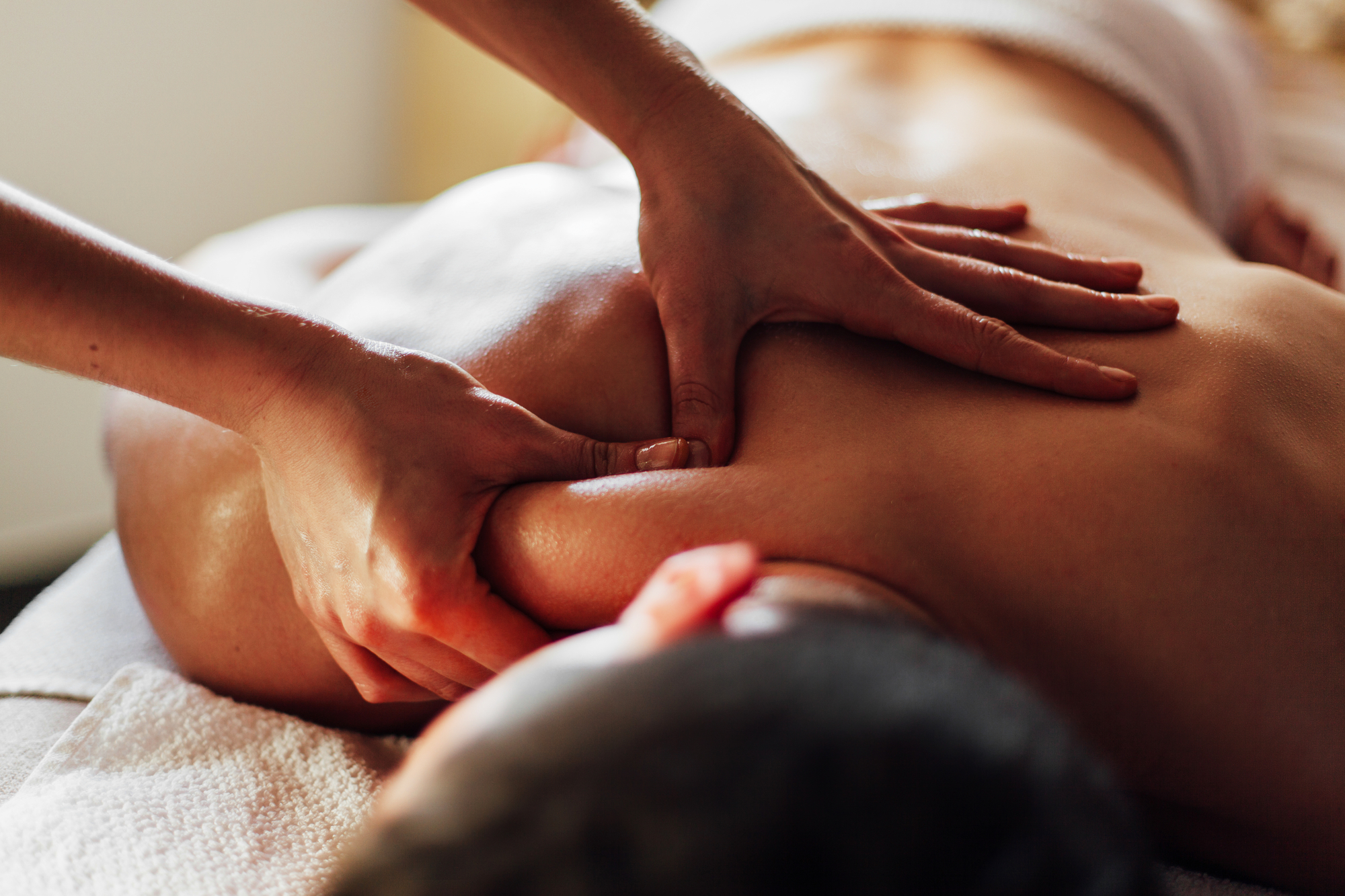
Another characteristic that distinguishes Rolfing from other forms of pain management involves attention to fascia, the connective tissue that forms a continuous network throughout the body. Because fascia plays a role in physical movement, Rolfing places considerable attention on its condition and function. Practitioners use hands-on techniques to work with fascial tissues by applying controlled pressure and observing how the body responds during each session, which differs from methods that concentrate primarily on individual muscles.
For clients, learning about fascia focus also provides a new perspective on physical comfort. They begin to understand that movement involves more than muscle strength or joint flexibility. The connective tissues throughout the body also contribute to how different areas interact during everyday activities.
Examines Recurring Physical Patterns
Although people often seek bodywork after experiencing stiffness or muscle tension, recurring discomfort may involve more than one physical concern. Rolfing encourages a closer look at the habits and movement patterns associated with these experiences.
A practitioner may observe how someone stands, walks, bends, or performs routine activities to understand how their body handles everyday demands. For instance, someone who regularly leans toward one side while standing may develop uneven weight distribution. Another person may unconsciously tighten their shoulders while working at a computer. These habits might seem minor, but they influence how people use their bodies throughout the day. Rolfing brings attention to these patterns rather than focusing exclusively on physical relief, which helps clients recognize habits and routines that deserve attention.
Makes Clients More Aware of How They Move
Beyond hands-on bodywork, Rolfing places importance on how people understand and use their bodies. Movement awareness helps clients recognize habits they might otherwise overlook. During a session, a practitioner may ask someone to perform simple movements while observing how their body responds, which provides useful information about physical effort and coordination.
Another may discover that they shift their weight unevenly while walking. Recognizing these habits creates an opportunity to approach familiar activities differently. Clients may begin paying attention to how they sit during work or position their bodies while performing household tasks. Rather than relying entirely on a practitioner to address physical concerns, they gain a better understanding of their own movement habits.
Adapts to Each Person’s Physical Needs
Daily activities place different demands on the body, which means people often develop distinct movement habits and physical concerns. Someone who spends most of the day sitting may experience different restrictions from a person whose work involves frequent lifting or prolonged standing. Rolfing accounts for these differences by tailoring each session to the client’s physical condition and goals rather than following the same routine for everyone.
A qualified Rolfer observes the client’s movement and considers their physical history before deciding which areas need attention. They also monitor how the client responds throughout the session. This allows the practitioner to adjust their techniques instead of following a rigid routine. Such flexibility makes the experience more relevant to each person’s circumstances. It also recognizes that people seek bodywork for different reasons, so their sessions should reflect their individual needs.
Connects Bodywork With Everyday Posture
Posture reflects how the body responds to different activities and changes in position throughout the day. Someone may stand comfortably but experience discomfort after sitting for several hours. Another person may notice stiffness after repeatedly bending or reaching during work. These differences show how everyday movements and positions influence physical comfort.
Rolfing examines how activities shape physical habits and movement patterns. During a session, practitioners pay attention to how clients distribute their weight and move through familiar positions. This approach gives posture a more practical role in bodywork, focusing on how the body functions rather than simply how it looks.
Through this process, clients may begin recognizing habits that influence their comfort or discomfort while sitting or carrying everyday objects. They also gain a better understanding of how their bodies respond to different physical demands. Connecting bodywork with daily activities gives clients useful insights they may apply long after a session ends.
Encourages a More Active Role in Physical Wellness
Rolfing encourages clients to better understand how their bodies respond to everyday physical demands rather than relying solely on hands-on treatment. Through greater awareness, they may begin recognizing habits that affect their movement and comfort, such as uneven weight distribution or unnecessary shoulder tension during desk work. These observations help clients become more mindful of their daily activities and make small adjustments to their physical habits. This understanding also allows them to take a more active role in their physical well-being, even outside the treatment setting.
Discover a Different Approach to Bodywork
Finding a bodywork approach that suits your needs starts with understanding what each practice offers. Rolfing provides an opportunity to experience hands-on bodywork with a focus on improving how you relate to your body and its physical demands. Learning more about the process also helps you understand its purpose and how it differs from other bodywork methods.
Interested in learning more about this approach? Connect with Michael Boblett at Rolfing™️ to discover how Rolfing fits into a broader understanding of physical wellness and bodywork.
Frequently Asked Questions
How does Rolfing differ from other forms of bodywork?
Rolfing takes a structural approach that looks at how different parts of the body work together. Instead of focusing only on one area of discomfort, it examines broader physical patterns and their influence on movement. This whole-body perspective gives Rolfing a distinct place among hands-on bodywork methods.
Is Rolfing suitable for people who do not exercise regularly?
Yes. Rolfing is not limited to athletes or people with active lifestyles. People with desk jobs, physically demanding routines, or everyday movement concerns may also find the approach relevant to their needs.
What should I expect during a Rolfing session?
A session typically begins with a discussion about your physical concerns and goals. The practitioner may then observe how you stand or move before beginning hands-on work. These steps help guide the session and keep the techniques relevant to your individual needs.
Does Rolfing focus only on relieving muscle tension?
No. Rolfing looks beyond muscle tension and examines the body’s overall structure, including the role of fascia and movement habits.
Why does Rolfing include movement awareness as part of bodywork?
Movement awareness helps clients recognize habits they may not notice during everyday activities. For example, they may become more aware of how they stand, shift their weight, or use their shoulders while working. Through these observations, clients gain a clearer understanding of how their daily movements affect physical comfort. They may also become more mindful of these habits outside their sessions, helping them apply what they learn to familiar activities and routines.